
This article was first published on my Instagram page, in August 2024.
Shakthi and Karthik, through a sociological lens
Mani Ratnam’s love trilogy reflects his deep interest in understanding relationships before and after marriage but it’s made of three very different movies. Whereas Mouna Raagam and OK Kanmani are more centered on the intricacies of the relationship itself, Alaipayuthey is more obviously rooted in the interplay of love and social class. If class struggle is the motor of History, it’s also one of the driving forces behind this classic’s story about an inter-class relationship, as its main question could be : how do a middle class girl and an upper class boy, in the urban context of the late 1990s Madras, not only fall in love but also build a marriage out of it.
After the “Yaaro dhi” sequence where Shakthi and Karthik meet in a timeless village wedding, each character is (re)introduced in the urban and social context to which they belong, while they are getting ready in the morning. First, while the song is slowly fading and replaced by the sounds of the city, an aerial long shot covers the railway quarters colony in Tambaram where Shakthi lives with her family. Then, we enter their modest house with some medium shots, minimal camera movements, and a very subtle lighting. In the next scene, the staging is reversely different to depict Karthik’s rich villa : bright lighting, shifts in camera angles, wide camera movements that show how this house is spacious and comfortable compared to Shakthi’s (later in the movie, we learn that Karthik’s family lives in T.Nagar).
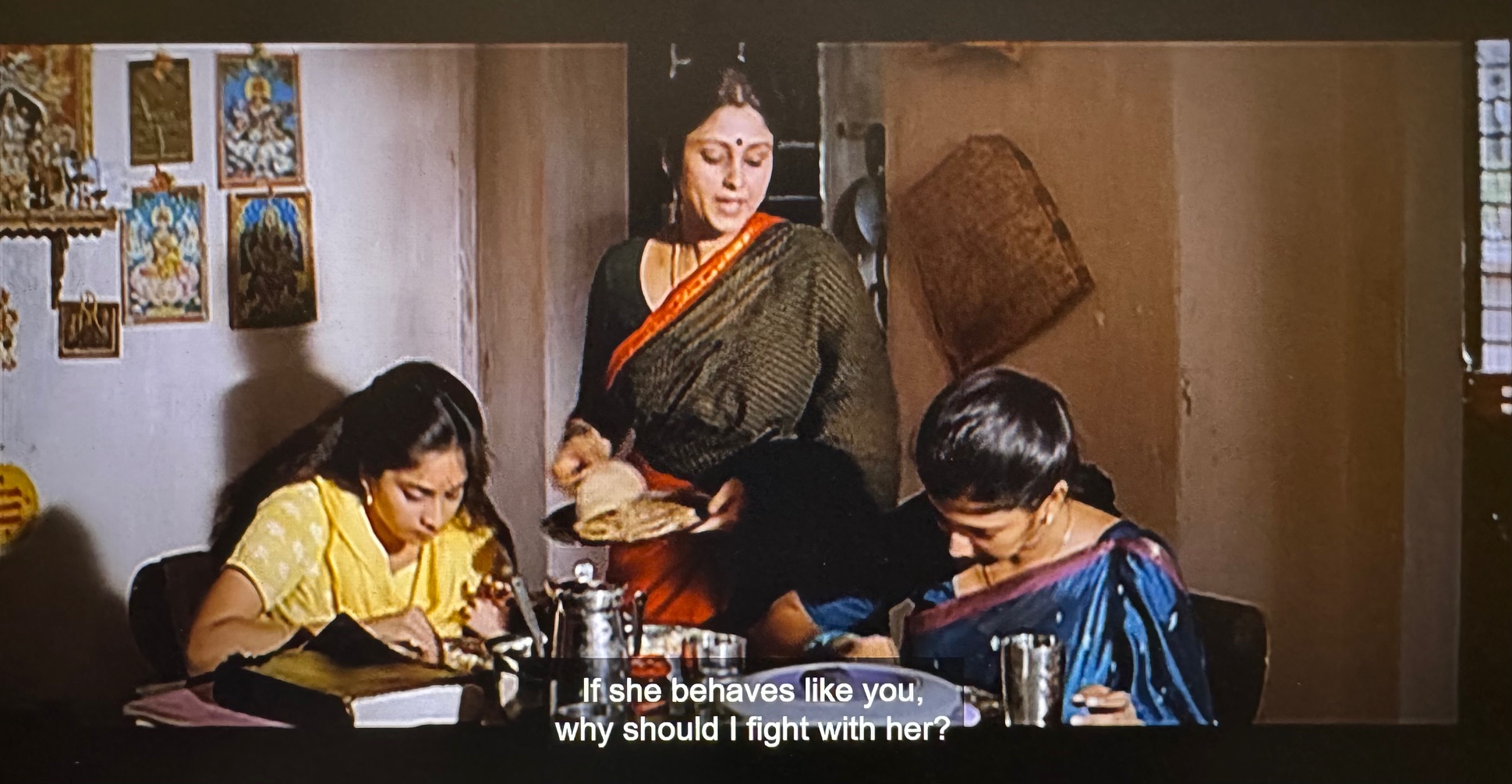
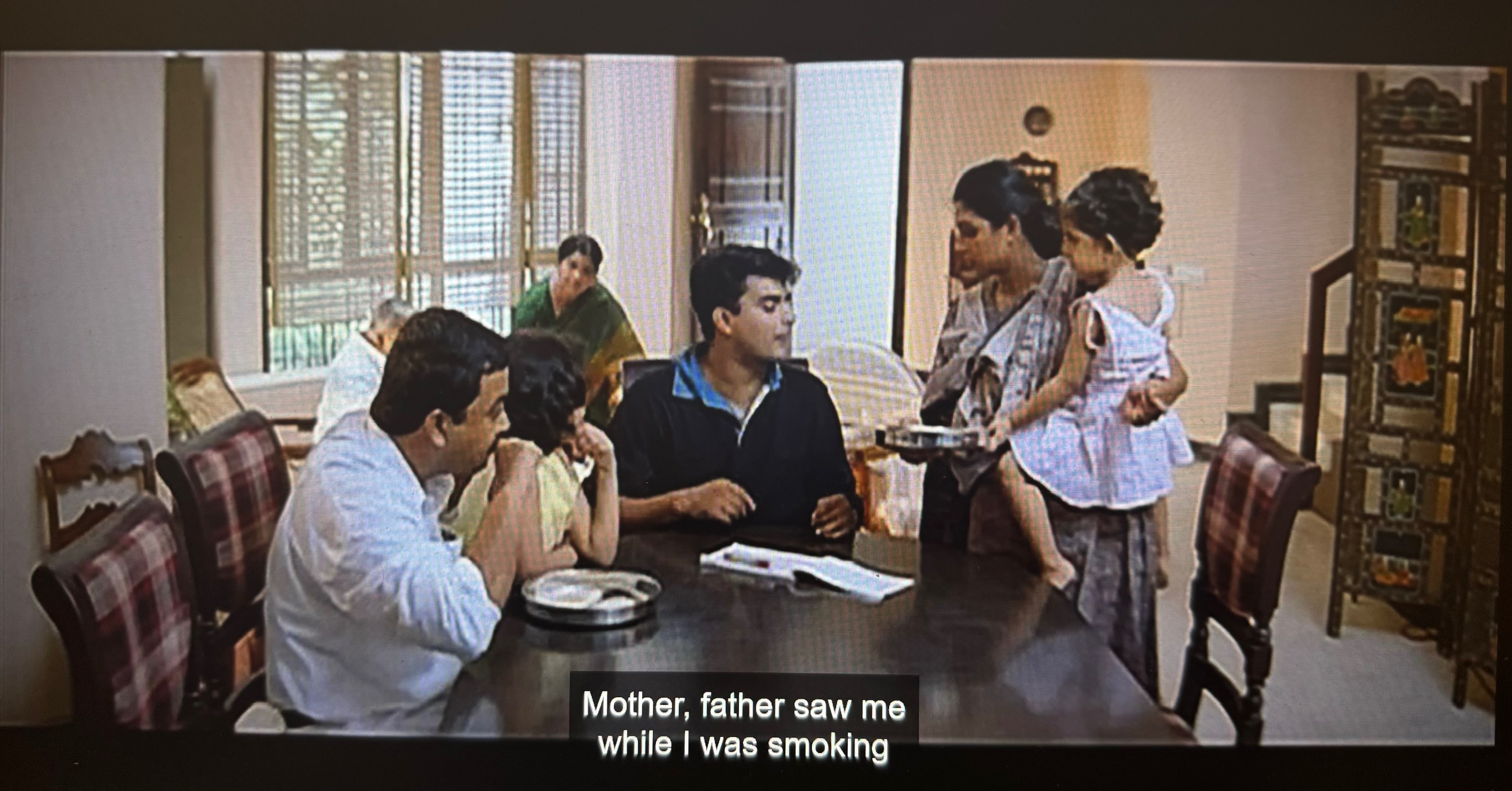
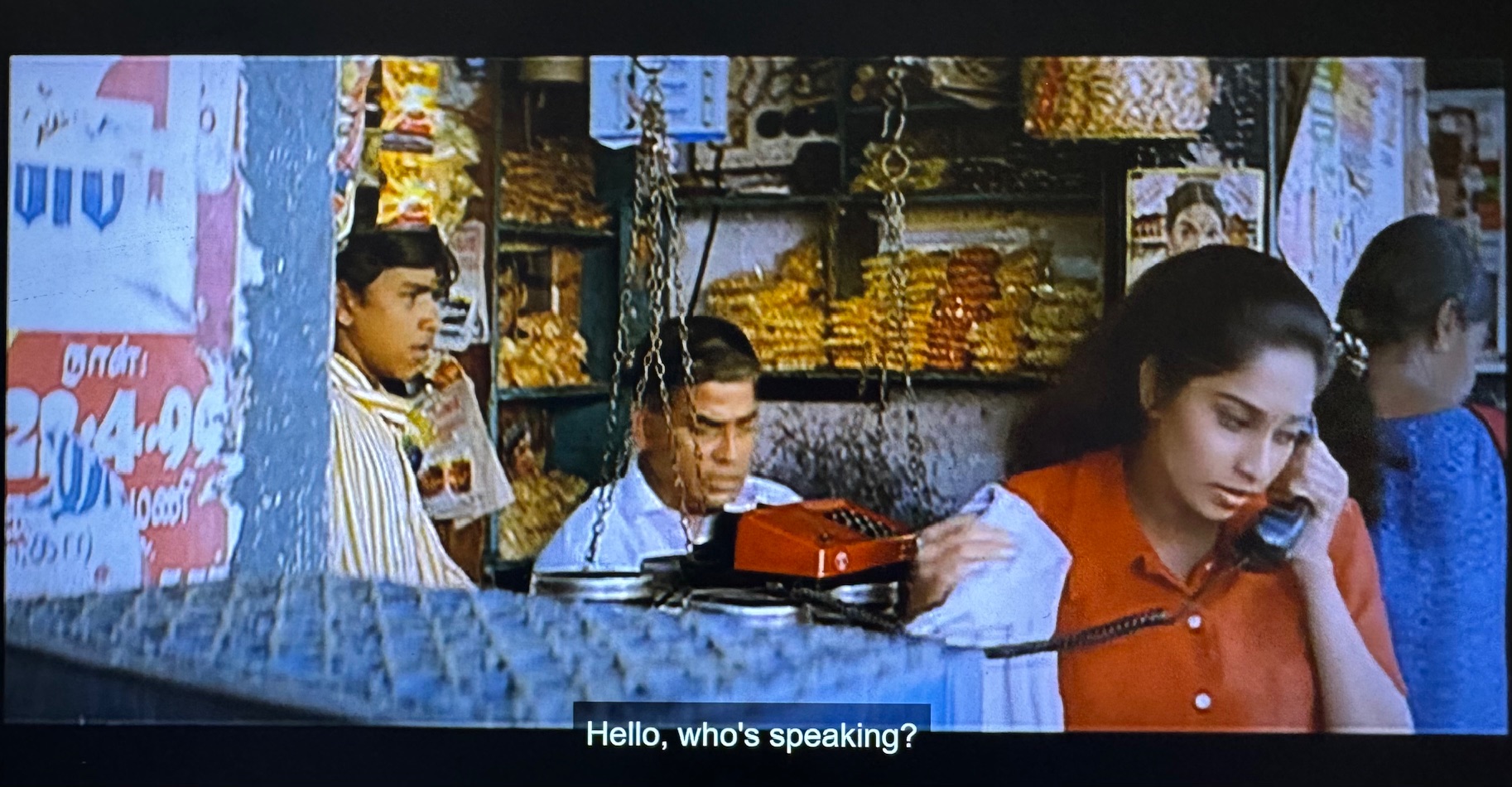
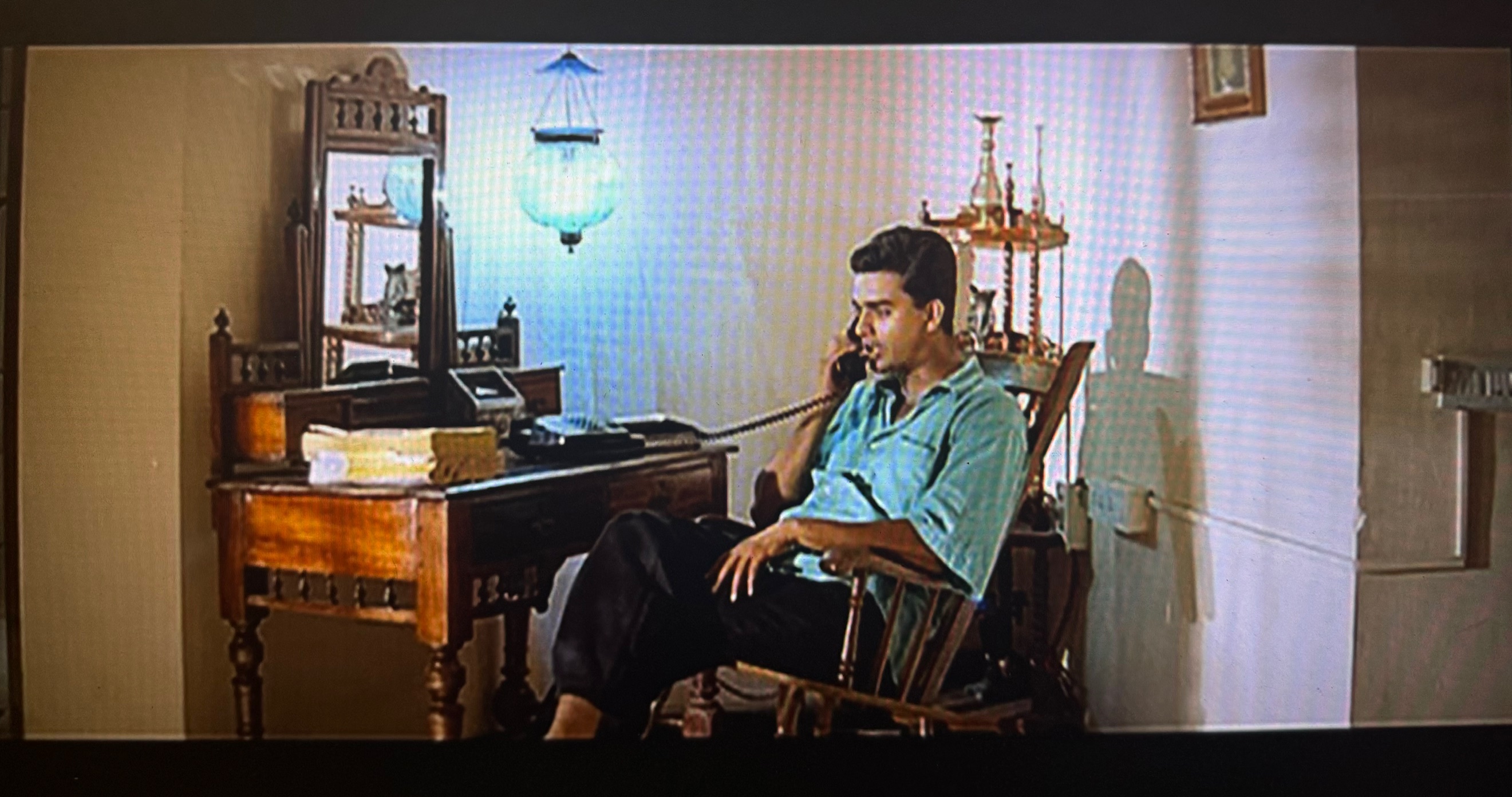
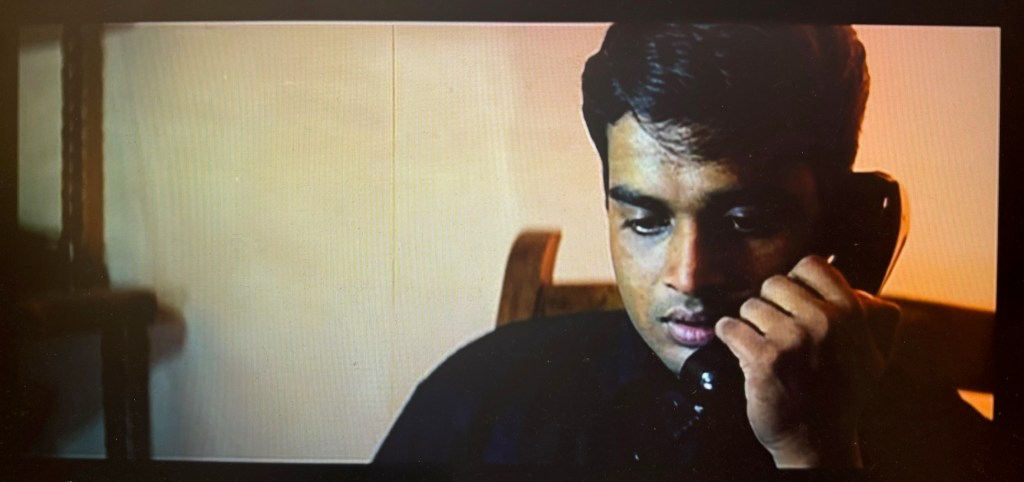
After that, throughout the first half of the film, Mani Ratnam uses different elements to visually stage the social issue beneath the love story. For instance, the phone call scenes clearly depict the contrasting lives of the protagonists, especially the first one that use medium shots to show each character in their environment. While Shakthi has to attend the call in a malligai kadai, surrounded with street and shops noises, Karthik is sitting in a rocking chair in the silent comfort of his house.
Beyond that, one can assume that their character itself and their attitude towards life, are a reflection of their social background and obviously, of their gender. Of course, Shakthi and Karthik are both the kada kuttigal of their family, scolded by their father/mother in their introduction scene, the rebel ones of the family, (Shakthi is tagged as a “vaayadi, adangaapidari”, Karthik says “appan sothu cigarettes’la oodhaporen”), in opposition to their more submissive older brother/sister, the ones who dare to have a secret wedding…
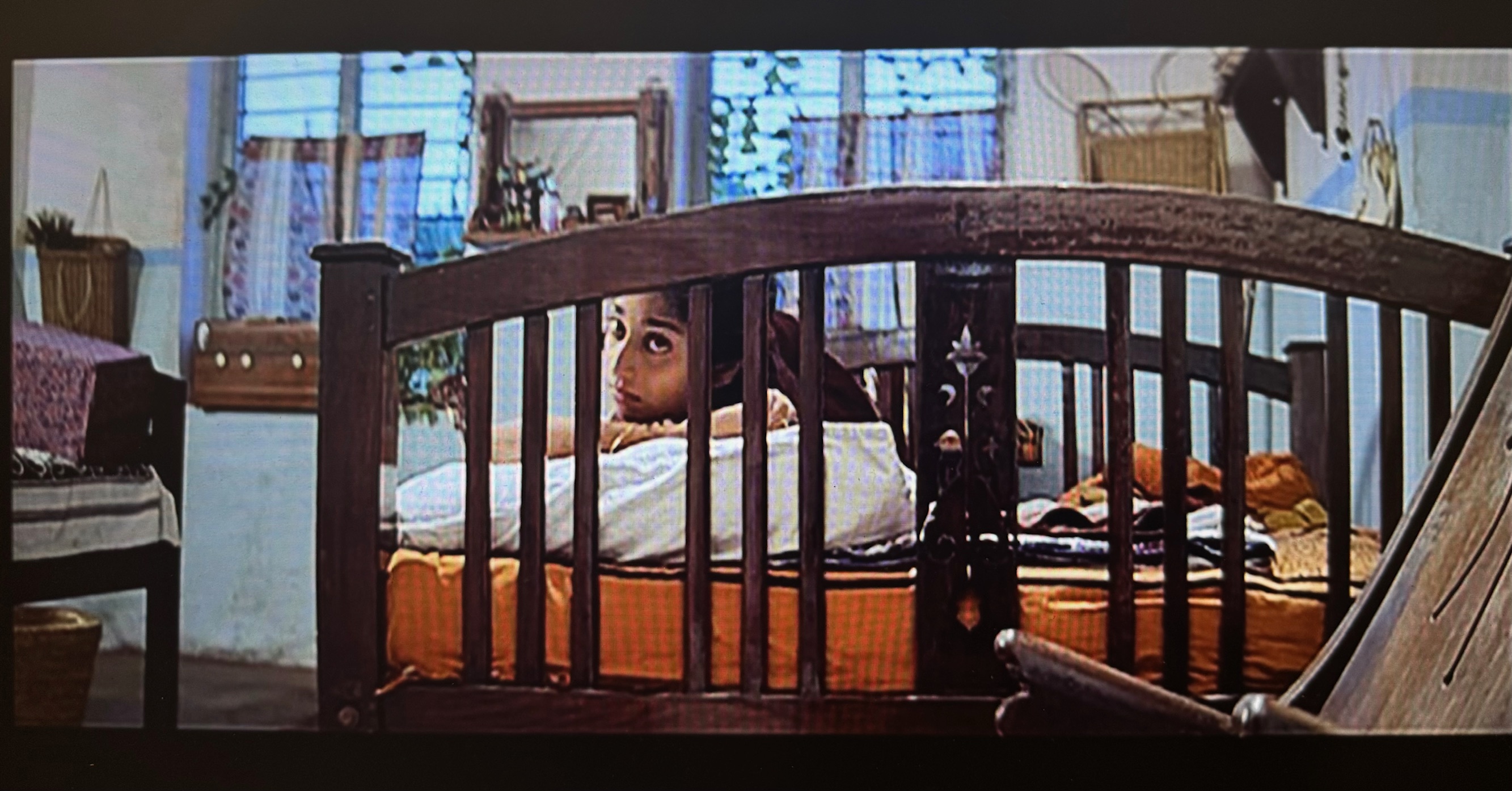
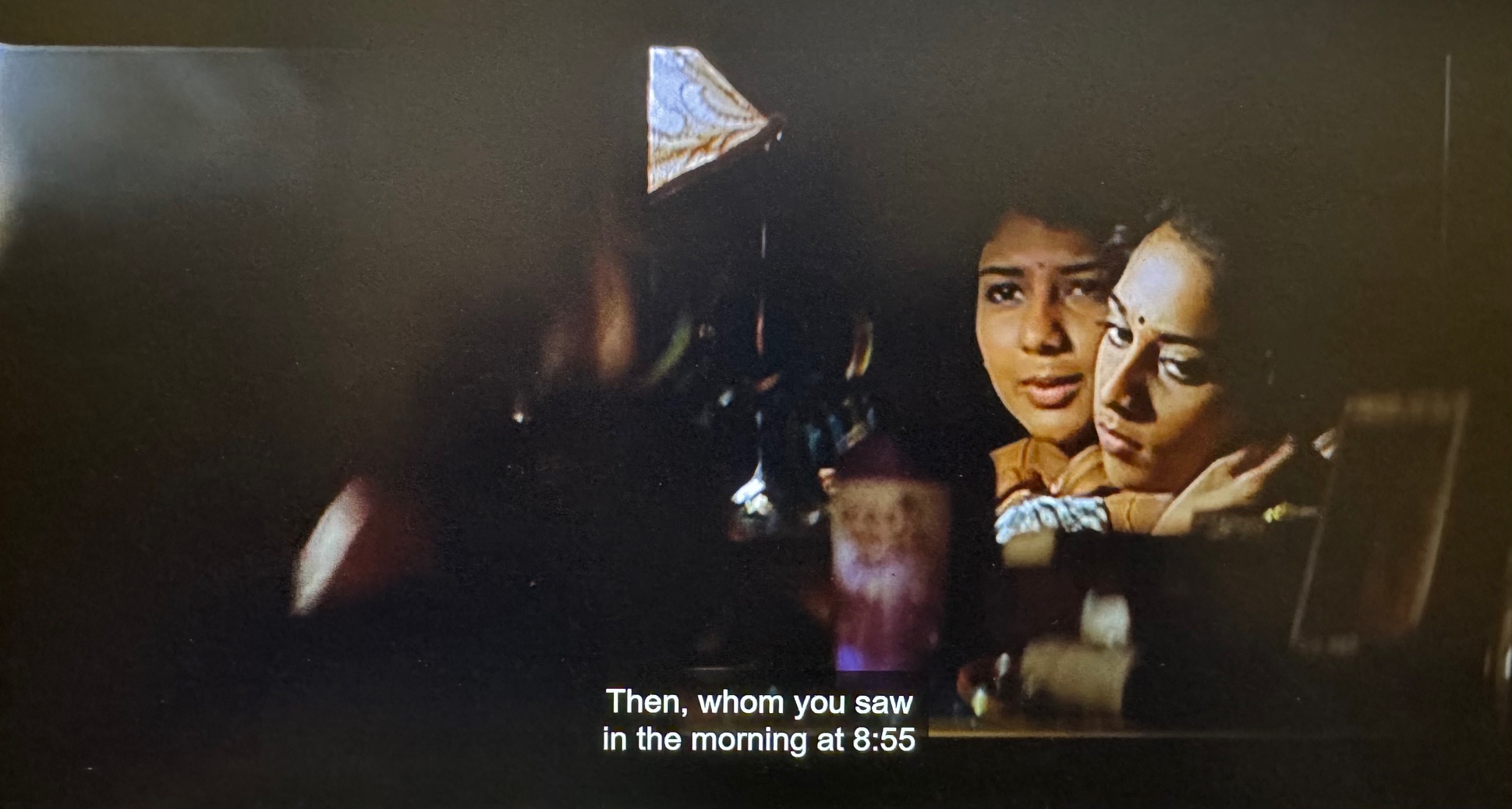
Yet, they don’t live the same life and they don’t have the same freedom. Shakthi is a middle class young woman who mostly navigates between her medical college and her house, and who is mostly shown, in the first half of the film, inside her house, in her room, talking to her sister. Thus, multiple frames within frames trap her behind the bars of her bed, in the mirror of her room, because how free could be this middle class young woman in the late 1990s ? On the contrary, Karthik is an upper class young man who is often outside his house, tinkering his software company with his father’s money, playing basketball with his friends.
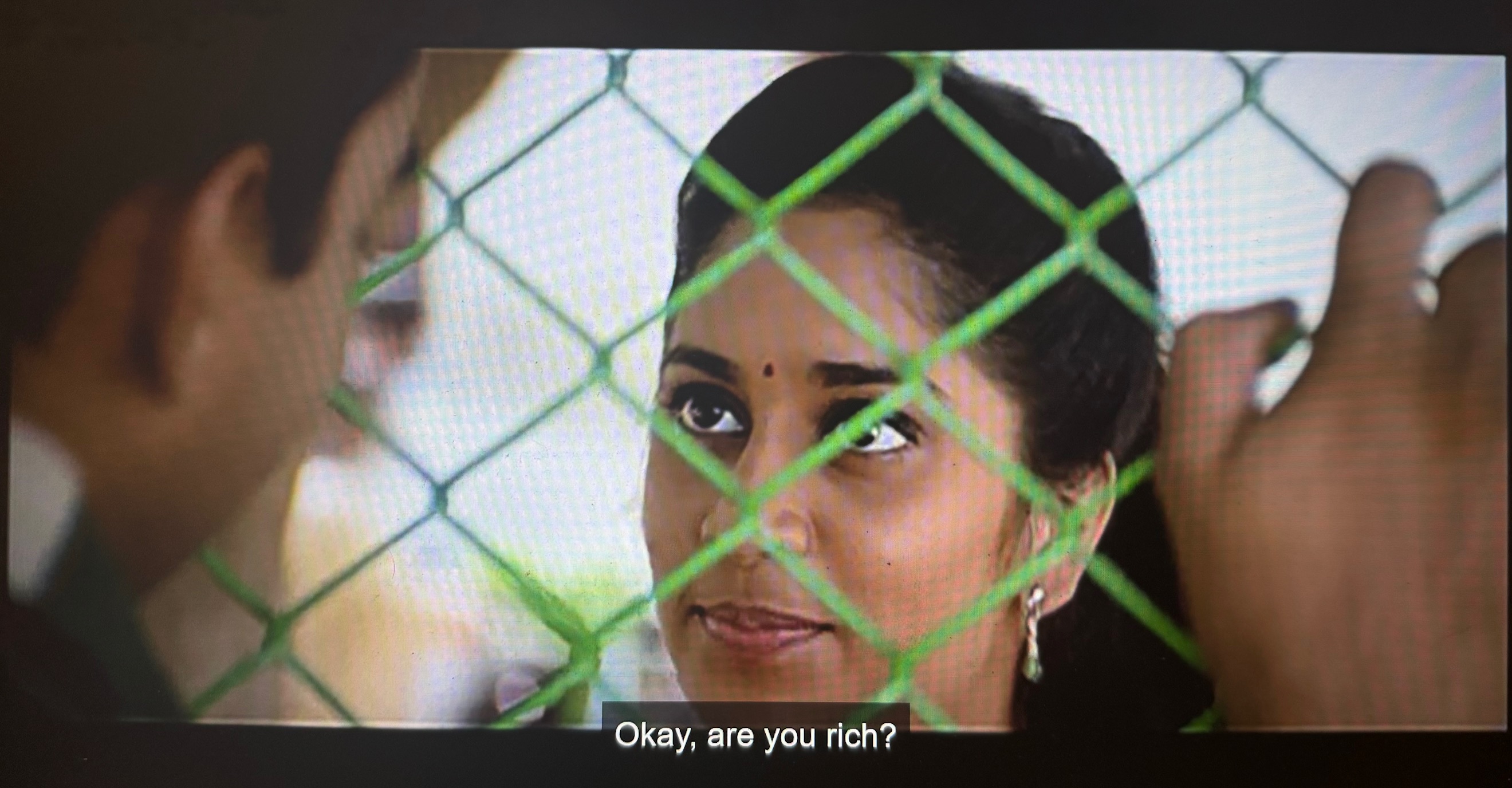
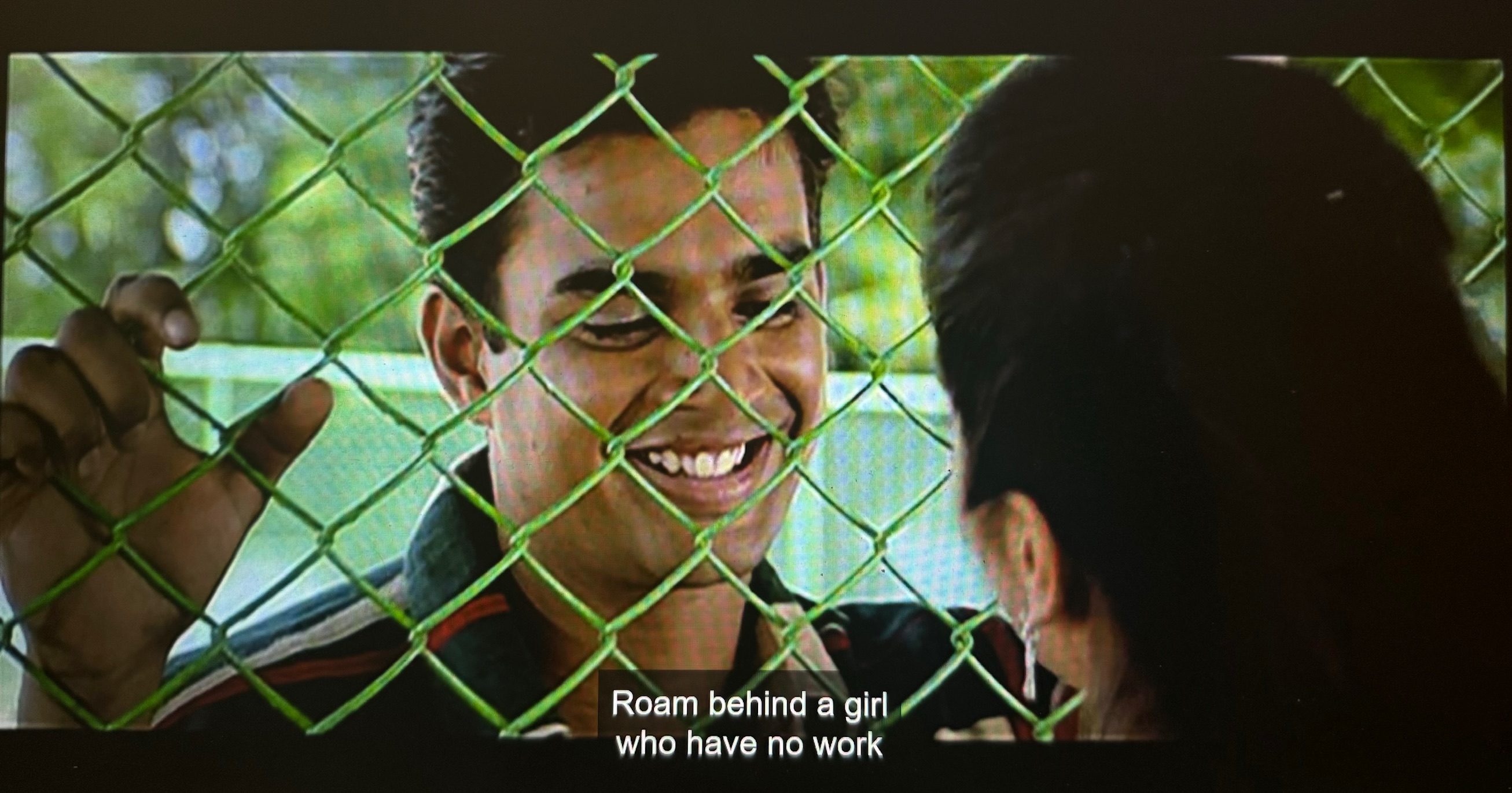
Because of her social background, Shakthi behaves like a responsible, down to earth, daughter of a middle class household, very conscious about her family struggles while Karthik behaves like a playful son of a rich lawyer, not really aware of his privileges and quite incapable, for most of the movie, to understand the burden of social inequalities. At multiple times before their marriage, Mani Ratnam shows their opposite level of lucidity on this class issue. When he calls her for the first time, she is busy (“aduppu la rasam, practicals ku padikkanum”) while he seems quite vetti in his house. When he comes to see her in her medical college, Shakthi is very lucid about the social gap between them (“Nee pannakaranaa ? Class’la last’a ? Yennaa…”, fill the gap, this dialogue is quite iconic). A gap metaphorically shown by the green fence that separates them but that, nevertheless, lets them see each other. Similarly, she is the one who initiates their break up, saying that she cannot give up her “appa, amma, veedu, nai kutty” who are her soul for 20 years for someone she knows for 20 weeks.
Class conflict, a driving force of the plot
If, throughout the first half, class conflict is visually shown while their love story keeps growing, it also breaks out more obviously in some crucial scenes, where class consciousness and class pride become a tipping point in the movie plot, being both a psychological and external obstacle in their love story.
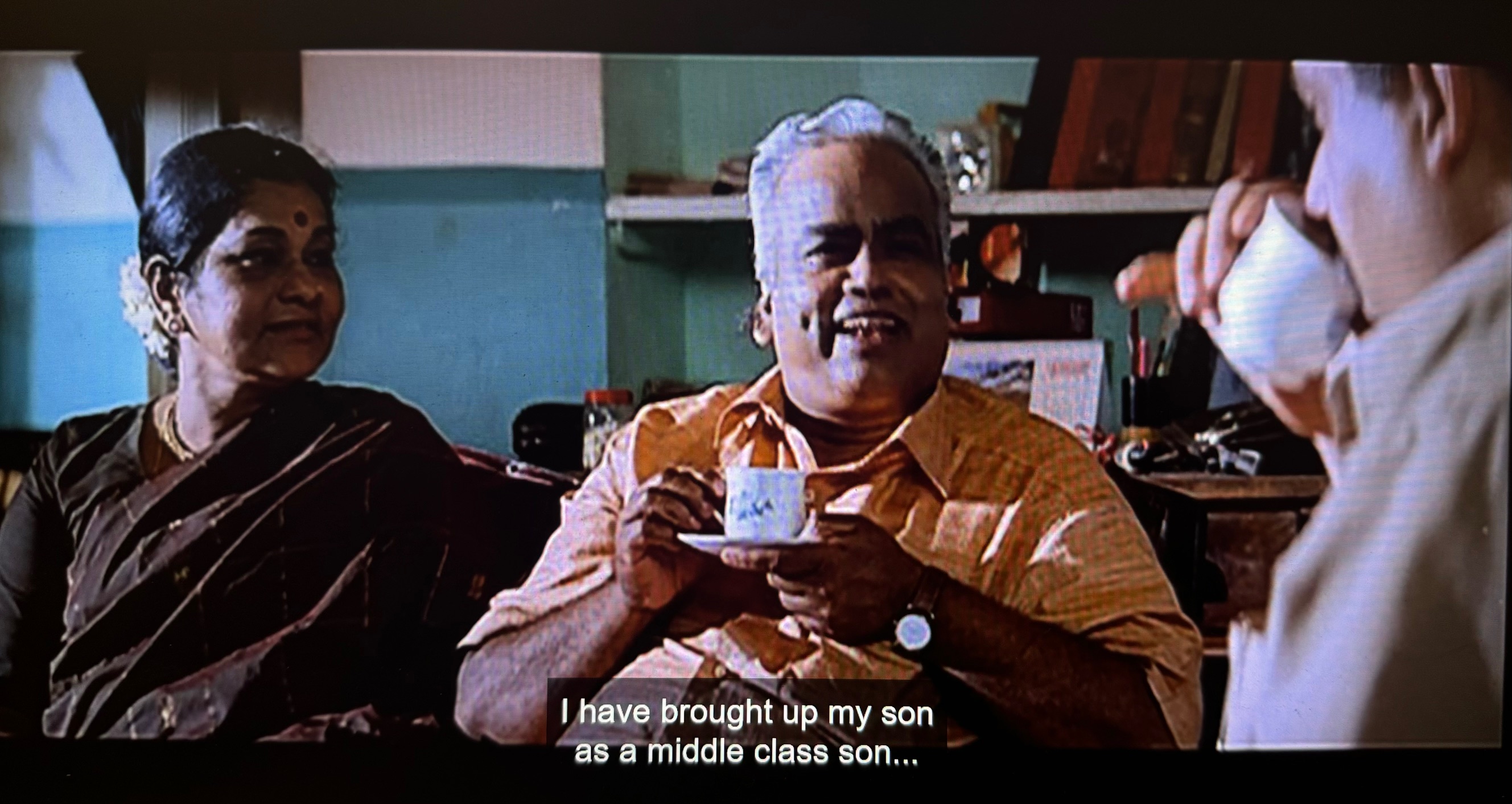
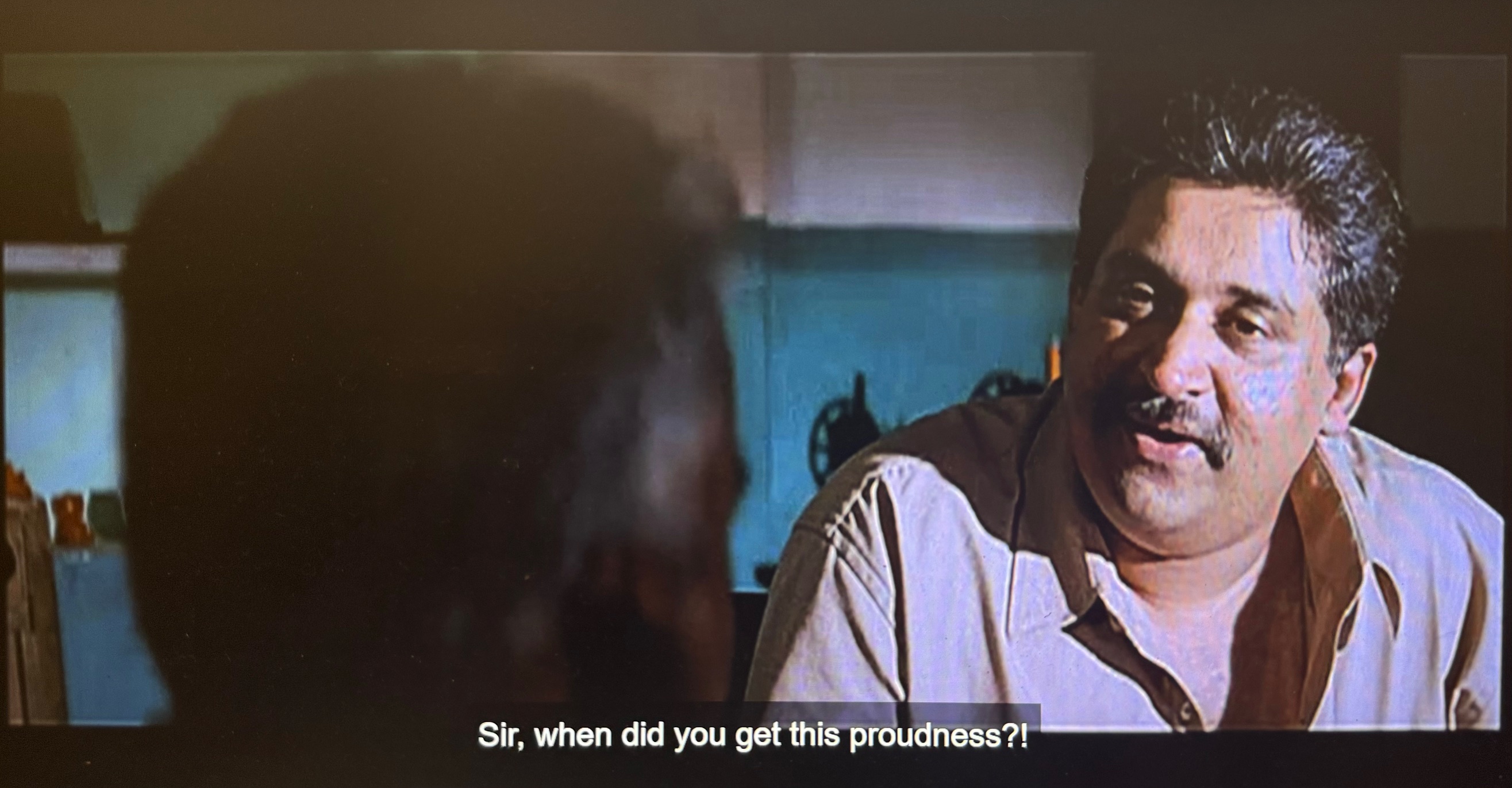
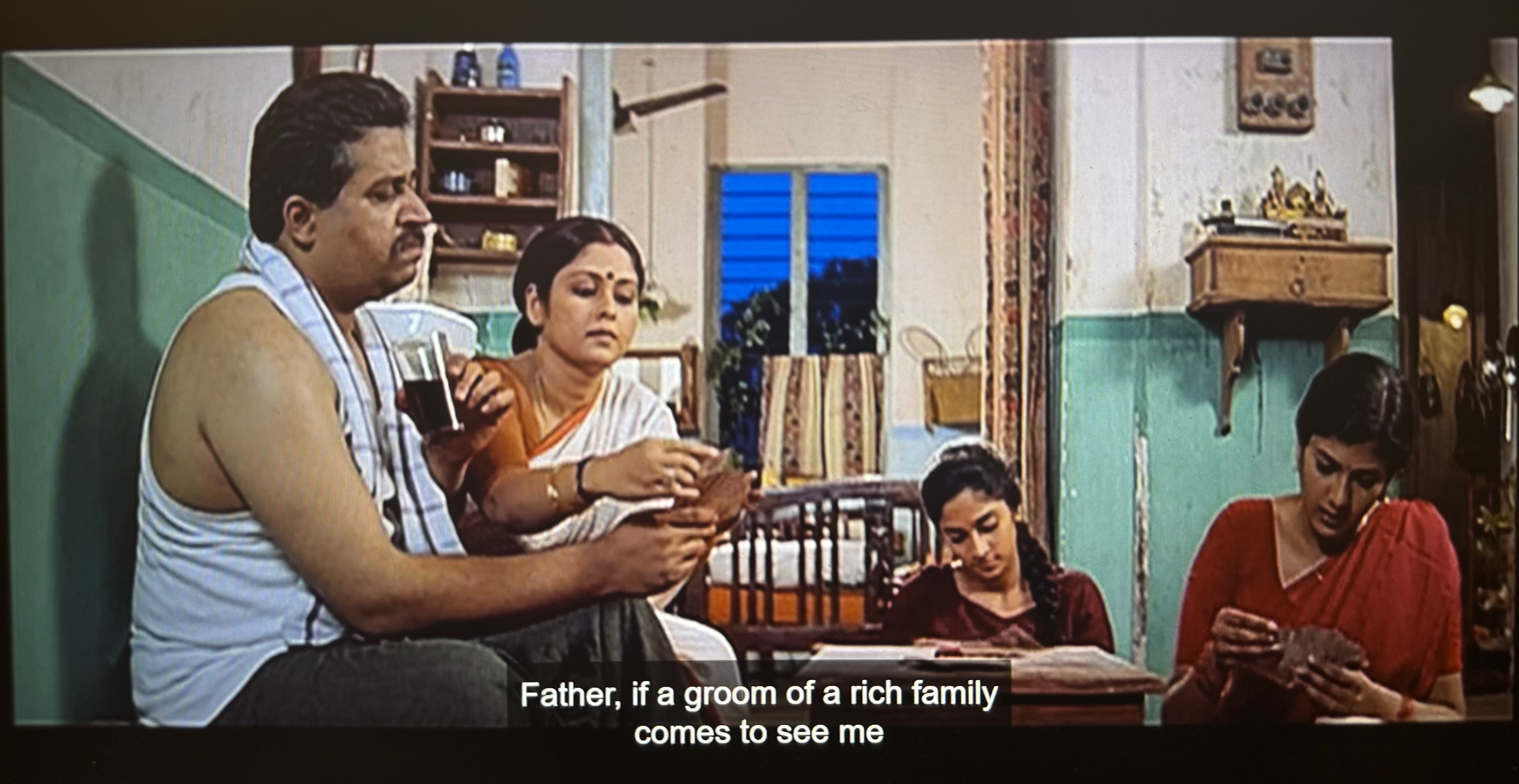
In that sense, the acme could be the meeting of the families. The whole scene is brilliantly written and staged in crescendo, slowly intensifying the social conflict, especially between the fathers who have opposite class consciousness, and are mostly shown in shot-reverse shot. Karthik’s father is a rich criminal lawyer, very conscious of his social status (think about how he points out the fact that his son shares echa cigarettes with his friends), often very ironical in his language. Shakthi’s father is a railway employee, who, from the beginning, is shown very protective with his daughters, but also very straightforward. In the whole conversation, class consciousness is at stake : while the first one (falsely) says that he raised his son like a middle-class paiyan, the second one (proudly) says that he raised his daughters like maharanis. Note the precision of Mani Ratnam’s writing and characterization. Like an occupational bias, the lawyer is obviously passive-aggressive, expressing his class pride and pointing out the middle-classness of Shakthi’s family : he says that all the houses look the same in this colony, he compares Shakthi to “road la pora oruthi”, he asks Poorni if she will also have a love marriage to save her parents money. On the contrary, after responding maliciously to some of these verbal attacks, the straightforward railway employee is the one who breaks this passive-aggressive flow by firmly verbalizing the floating class conflict : “Sir enna solla varinga, neenga panakaarangalum, naanga pichakaarangala”. Interestingly, Karthik’s father responds by denying the social issue in their conversation and making it a personal feelings issue : “unga inferiority complex, en superiority complex pathi pesa varla”. As if Shakthi’s father had paved the way of the of the counter-attack, Shakthi outbursts after him, and finally, her mother closes the discussion by referring to their family pride. I always wondered why Karthik was absent in this crucial moment, but now I know that his presence would have change the balance and the meaning of this whole scene in the plot.
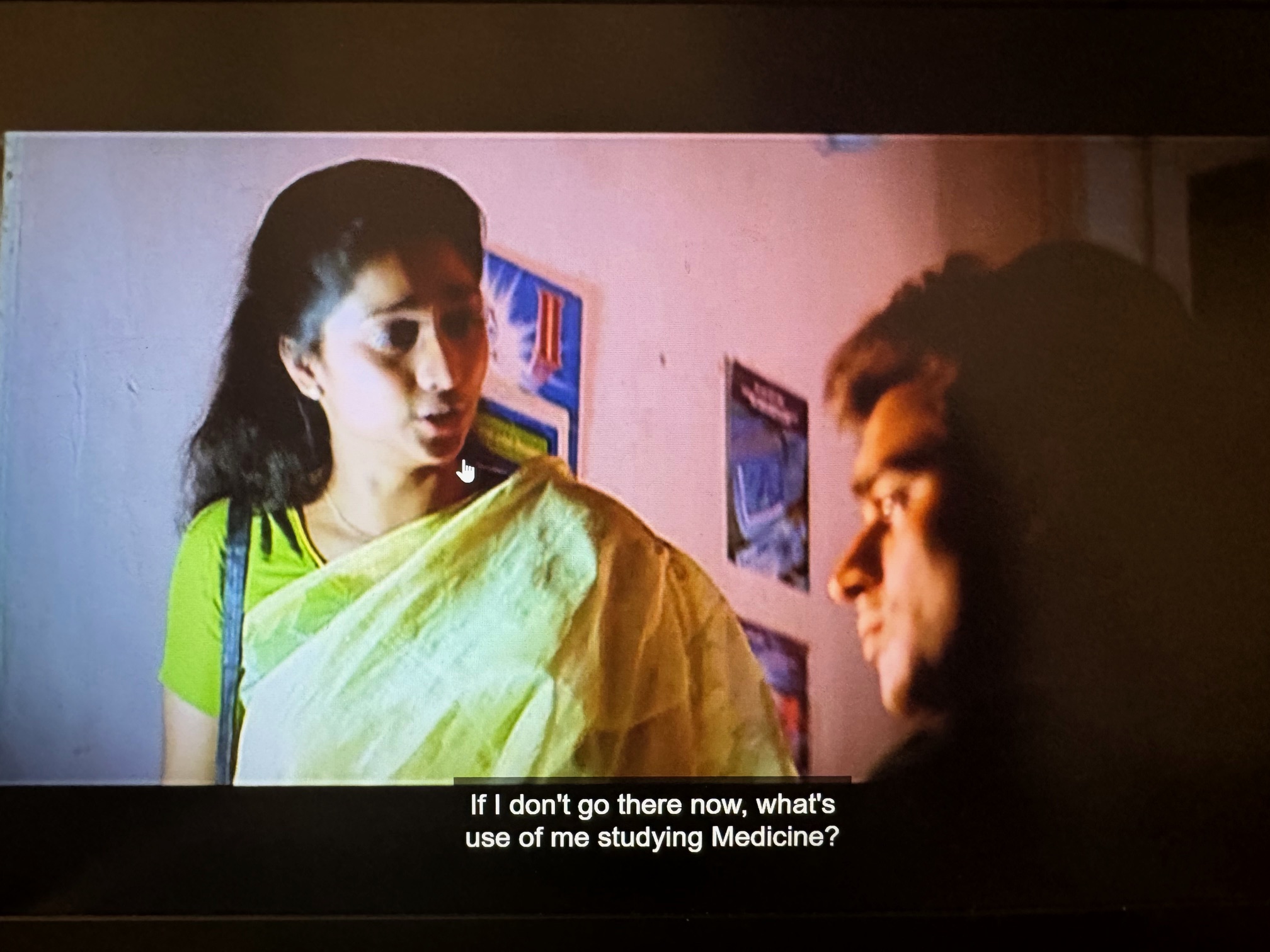
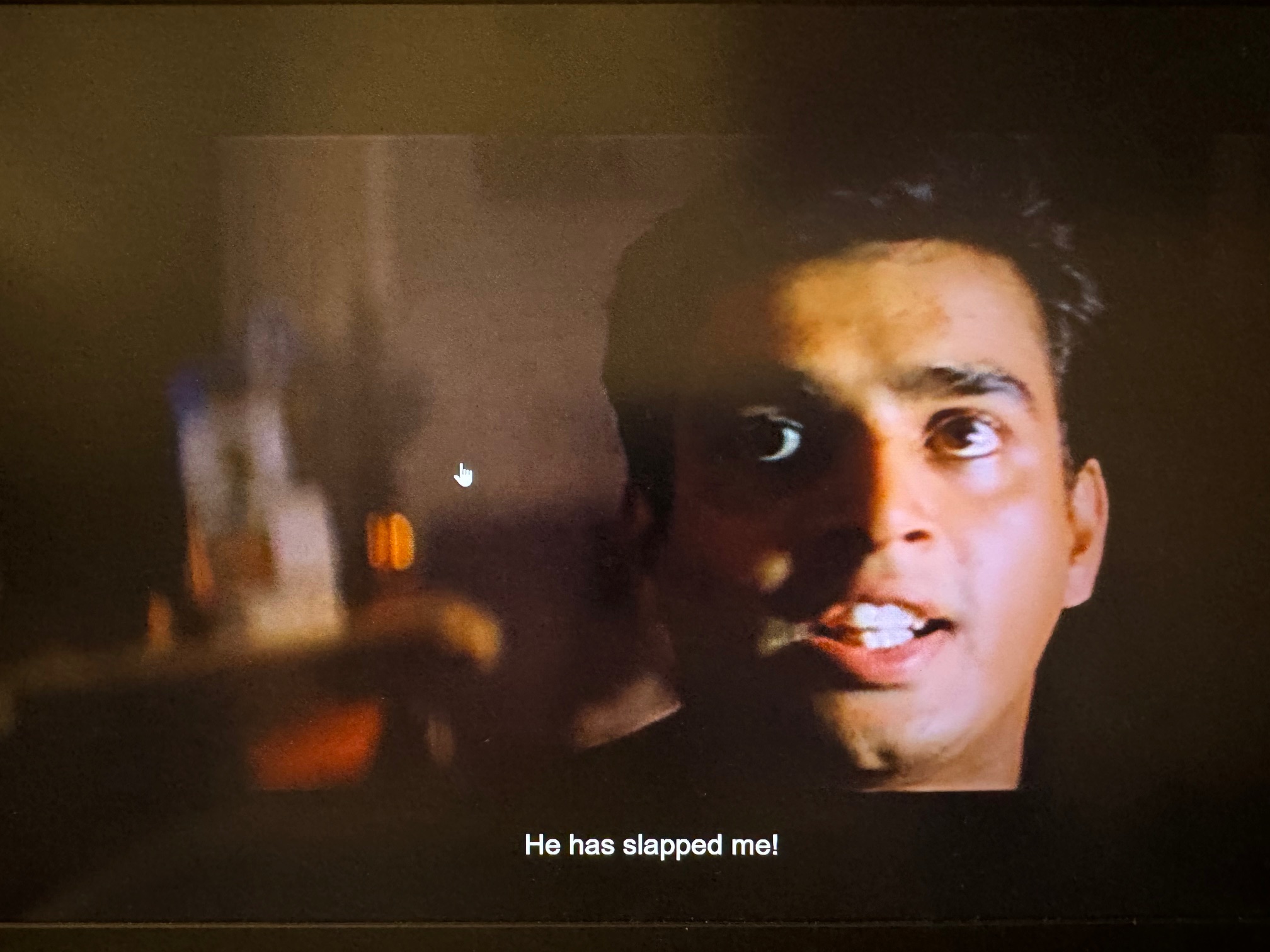
One can think that this class issue could be resolved after Karthik and Shakthi break up with their family to live together, but it actually resurfaces as the roots of the biggest clash in their nascent marriage. Thus, when Shakthi comes to convince Karthik that they must see her ill father, one can see how their opposite arguments are actually soaked in their social differences. Shakthi expresses her class guilt, reminding that her father is a simple railway employee who took loans to fulfill the dream to become a doctor : how could she abandon him when he needs a doctor ? On the opposite side, Karthik expresses his sense of honour and somehow, of class pride, (just like his father, you’ll notice), adamantly saying that he cannot brush aside the fact that her father slapped him in public when even his own father never slapped him. Interestingly, in this scene, the core issue is their relation to their respective father. Shakthi have inherited a mixed sense of gratitude and guilt from her quite close father (remember how she is sentimentally happy to see him before her secret wedding). Karthik have inherited a sense of honour and a class-impregnated ego from his quite distant father (remember how he desperately tries to escape him before his secret wedding).
Thus, the social class issue keeps resurfacing in Shakthi and Karthik’s relationship, before and after marriage, like relentless waves, in the well-named ‘Alaipayuthey’. But their love story also goes beyond that…
Of course, social class not only defines Shakthi and Karthik’s characterization but also works as a driving force in the plot. Yet, another driving force is obviously their desire to be together. Thus, if the first half of the movie is centered on their parents houses, the second one slowly takes place in their own house. And as their relationship fumbles, the question is to know if this house, as a metaphor of their marriage, will become a home they belong to.
Leaving their parents house
For their love story to exist, Shakthi and Karthik have to break up another one, with their parents, by leaving their house. As a matter of fact, Mani Ratnam gives us a clue in the first scenes where they are shown with their family. Of course, it’s about showing the social background they belong to, but, beyond that, what is striking is that both characters are doing the same ordinary but premonitory thing : leaving the house in the middle of an argument with their parent, to live their life outside.
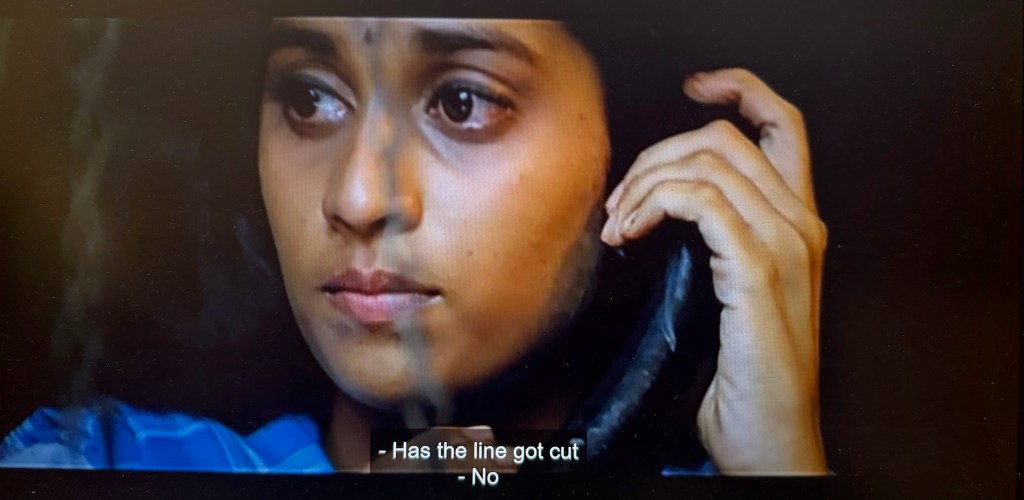
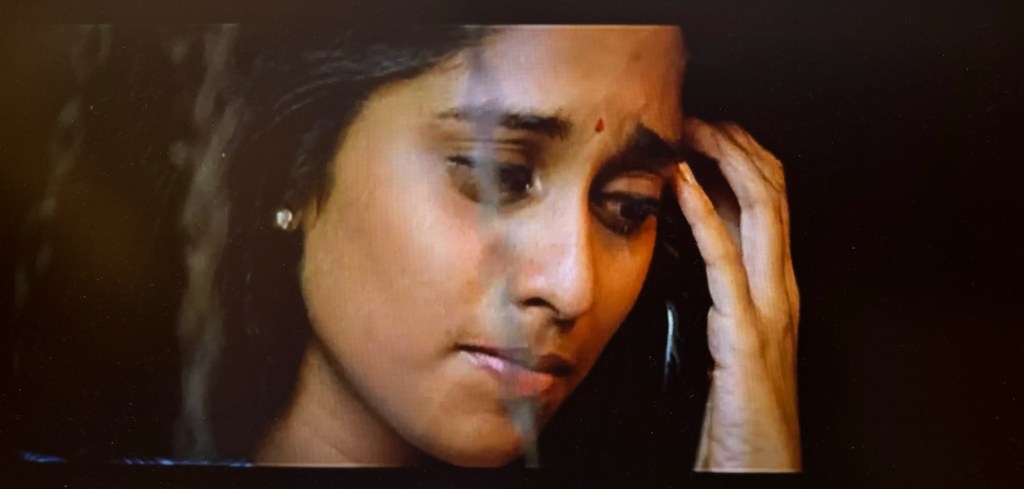
Similarly, the staging of the multiple phone scenes is interesting as, these phone calls, are the fleeting moments when Shakthi and Karthik could actually escape their families to grow their love story. Though the first one uses medium shots to embed the characters in their social environment (Shakthi in the malligai kadai, Karthik in his comfortable house), the following phone scenes progressively focus on the characters only, using mostly closer shots, as if they were extracted from their milieu, as if they were progressively considered for the emotions they are going through and not the social background. For instance, in the second phone scene (unplanned as they decided to break up), there is a progressive zoom on Karthik while Shakthi is shown in close-up, while the “Evano Oruvan” flute gently cries behind. In the third phone scene, after their secret wedding, there are also closer shots on Shakthi and a slow closing up zoom on Karthik. It should be mentioned how these scenes confirm what a great actress Shalini is, showing her character’s emotions, not only in her face expressions but even in the way her hands hold the phone : after the break up, Shakthi stressfully holds the phone with both her hands, as if she was afraid of losing the love she rejected, but after their secret wedding, she holds it light-heartedly like someone who is floating in happiness. Finally, the process of symbolically extracting Shakthi and Karthik’s from their family environment through these phone scenes, ends up with the last phone call which happen in their work places, far from their house or area.

When their secret wedding is revealed, what was symbolically announced until then, finally happens : they are extracted from their parents house in the most dramatic way. Interestingly, both fathers are the ones who show them the way out, signifying that they are no more part of their houses. This time, both houses are shown with wide camera movements and high angles, to emphasize the drama and the brutality of this forced departure. Then, in the auto they take, in the emotional turmoil where she is thrown in, Shakthi initiates something that looks like an improvised exchange of vows : “namakkum namma kudumbathukkum sammandham kadayadhu, inimey, unakku nee, enakku naan”. They are no longer the daughter and the son of their families, they are their own family. After all, it’s a kind a metaphor of everyone’s life : in one way or another, love or marriage is possible when one’s accepts to leave the parents house, physically and psychologically.
The possibility of a home
Shakthi and Karthik end up in their own house, and not the most ordinary one : a vast and luminous apartment in the last floor of a building, but an unfinished house, with apparent brick walls and without even proper ceilings. A house under construction, a project underway, like a metaphor of their nascent and fumbling marriage. An imperfect house that slowly becomes their home.
I don’t know if Mani Ratnam did it on purpose as a tribute, if it was a sub-conscient reminiscence of his cinematic references or if it was simply a coincidence, but I always felt that there was a filiation between the unfinished house in Balu Mahendra’s Veedu and this unfinished house of Alaipayuthey. As if Shakthi and Karthik just moved into the dream house Sudha desperately tried to build. After all, both movies are impregnated with the struggle to create a home, aren’t they ? It’s maybe just me fan-fictioning, but it’s a kind of comforting idea for the cinephile I am.
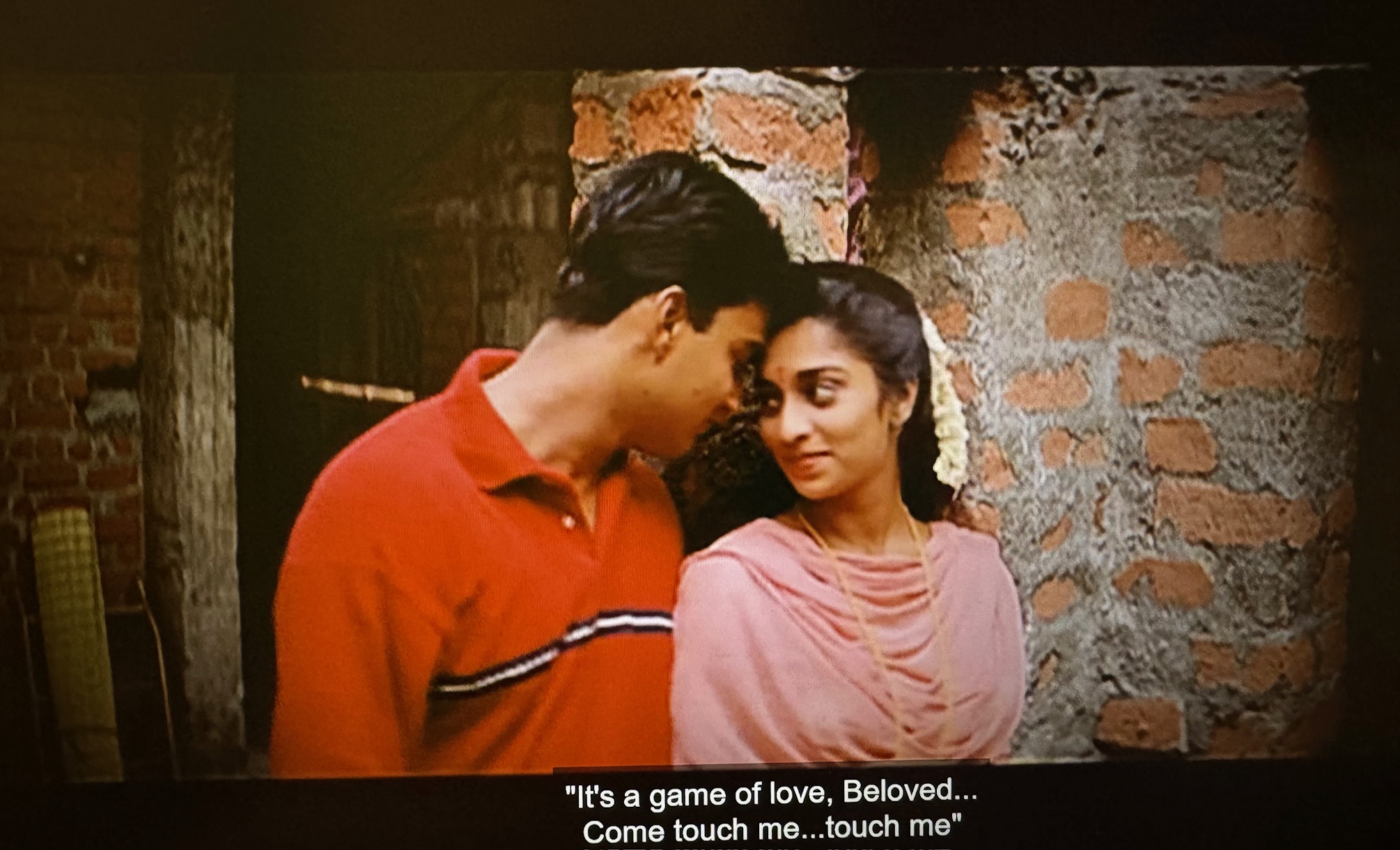

Their new home is also the space of their new freedom, their new playground, as shown in the consequently named “Kadhal Sadugudu”. The camera work reflects this new swirling freedom that is theirs : a constantly moving camera shown for instance, with this circular travelling when their friends prepare their house, and of course, the rewind effect in the song sequence : everything is done to show the perpetual movement of their new life. Shakthi’s freedom is especially highlighted : it’s her whole persona who seems metamorphosed. Whereas Shakthi’s body always seemed restricted in her parents house, lying in her room, sitting on a chair or on the floor, scolded by her mother for not combing her hair (which is an input of Suhasini’s life, as she said in an interview), she is dancing, standing on chairs, with her hair freed, in her new house. It’s not that marriage changed her but it actually allows her to be fully what she wants to be : remember that similar visual techniques were used in the “Yaaro Dhi” song sequence where Shakthi was always in movement, dancing, floating, carefree.
This home which is a metaphor of their marriage, also becomes inaccessible to Karthik when there is trouble in his relationship with Shakthi. Thus, there is a repetitive symbolism about him being blocked at the door because it’s Shakthi who has the keys : when they first have a silly fight because she made him wait, and when he can’t enter the house because Shakthi had an accident.
Finding the key
For me, the most beautiful part in Alaipayuthey is how Mani Ratnam chose to navigate between Shakthi and Karthik’s love story and Karthik’s desperate search for Shakthi, as if the former was the key to understand the latter, as if there were two movies in one, mirroring each other. But it actually took me some time to appreciate and understand the similar importance of these parallel tracks. Indeed, when I first discovered Alaipayuthey as a teenager, I obviously and blindly thought it was the most romantic love story of the most couple-goalesque characters I had seen in Tamil cinema. And then, when the teenage blindness vanished, Karthik was no longer at all lovable to my mind, for a very long time. He was just this spoilt rich kid with an unreasonable and adamant ego, actually doing the regular amount of stalking every Tamil Cinema hero did at that time, incapable to understand his own privileges and the impact of social inequalities in people’s lives, not even in his own marriage. In short, for a very long time, I found his characterization quite weak compared to Shakthi’s complexity.
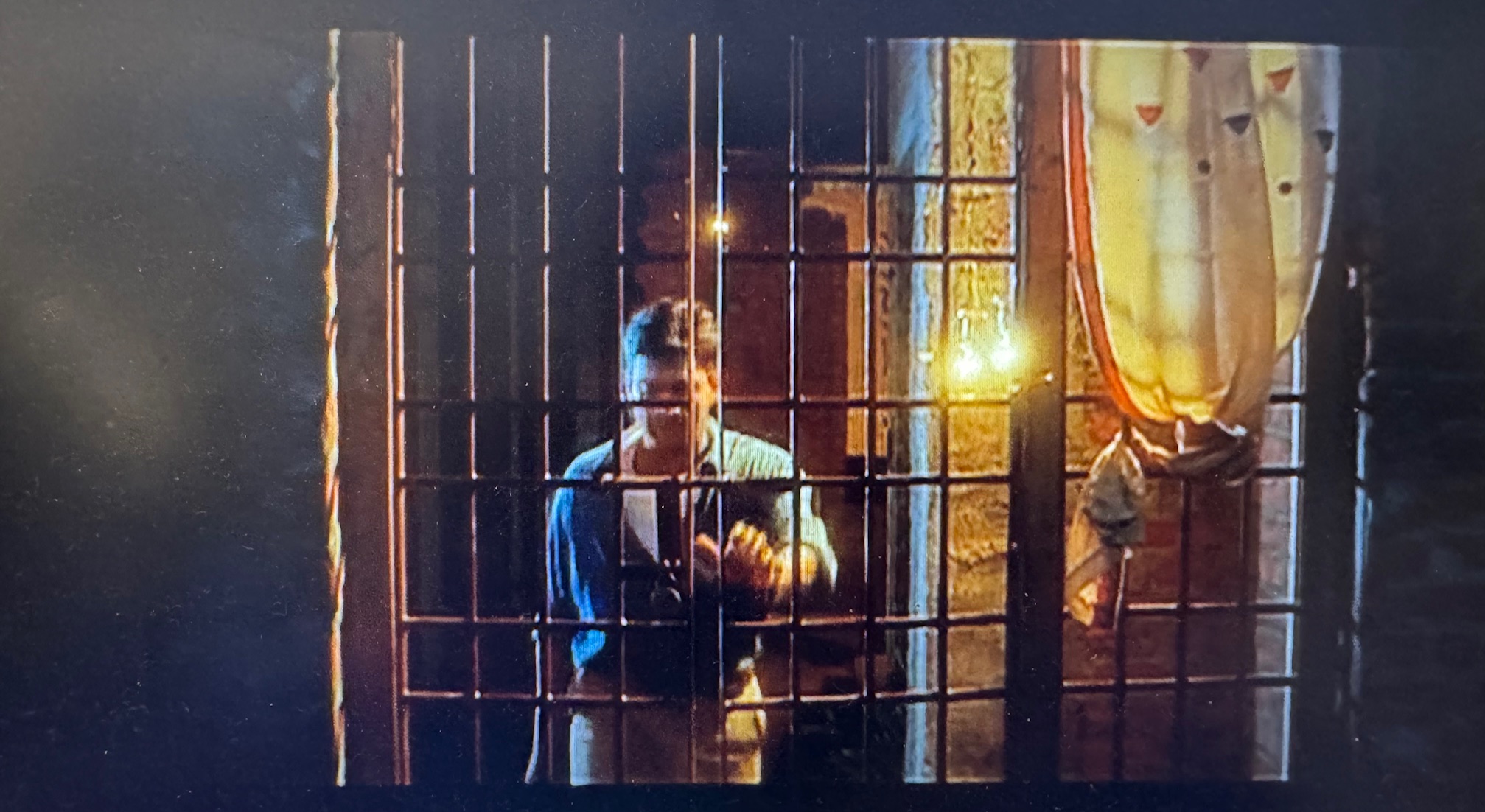
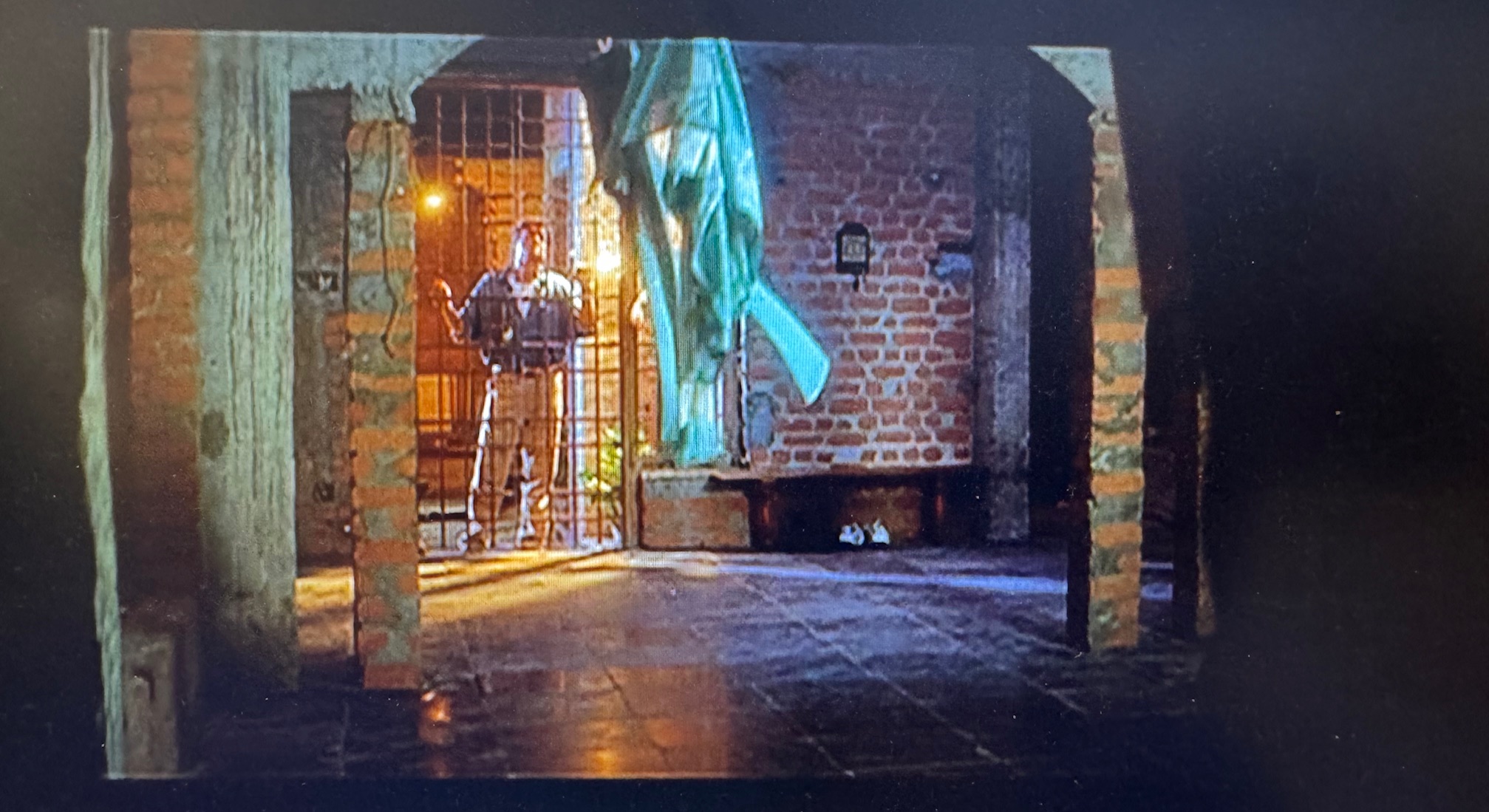
And then, one day, I understood the sheer beauty of those blueish scenes where Karthik desperately search for Shakthi, because while searching for his wife, he actually founds himself, or a different version of himself. A man who is finally feeling guilty after trying to escape this feeling throughout his life and his relationship. A man who is freed from his class pride, from his male ego, and is accepting how vulnerable he is, when he totally surrenders to his love. Maybe, surely, that’s why the freezing last shot of the movie, is embellished, in the background, with these meaningful lines of “Snehithane” male portion : “Garuvam azhindhadhadi, en garuvam azhindhadhadi” (My pride has been destroyed, dear).
Saying that Alaipayuthey is a romantic Mani Ratnam movie is quite simplistic, because the best love stories are never only about romance. As her story, background and family is more present in the film, I used to think that Alaipayuthey was about Shakthi just like Mouna Ragam is actually the story of Divya above all (this remains true for me).
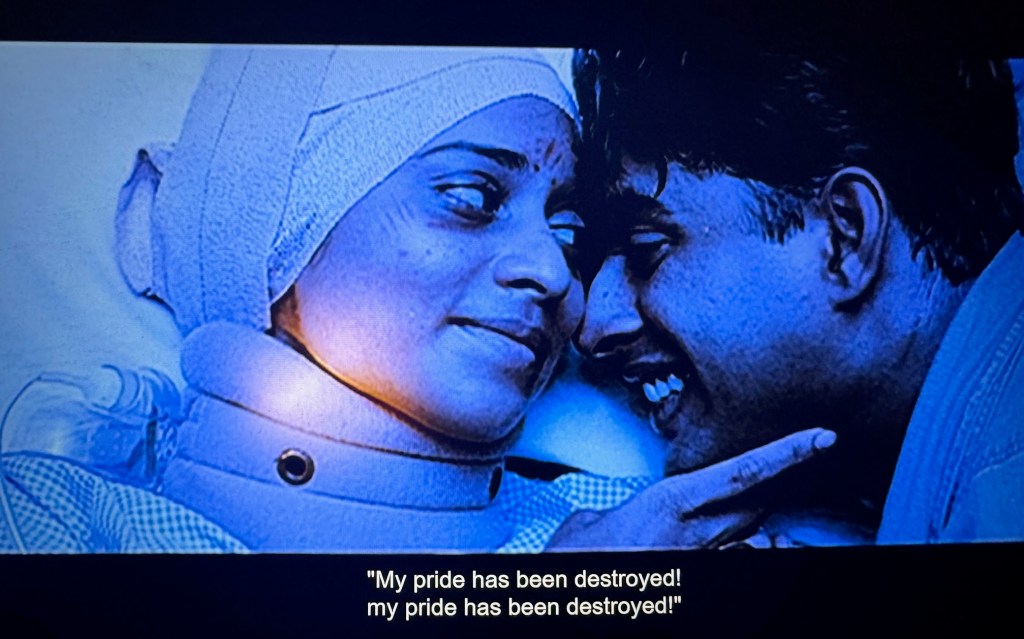
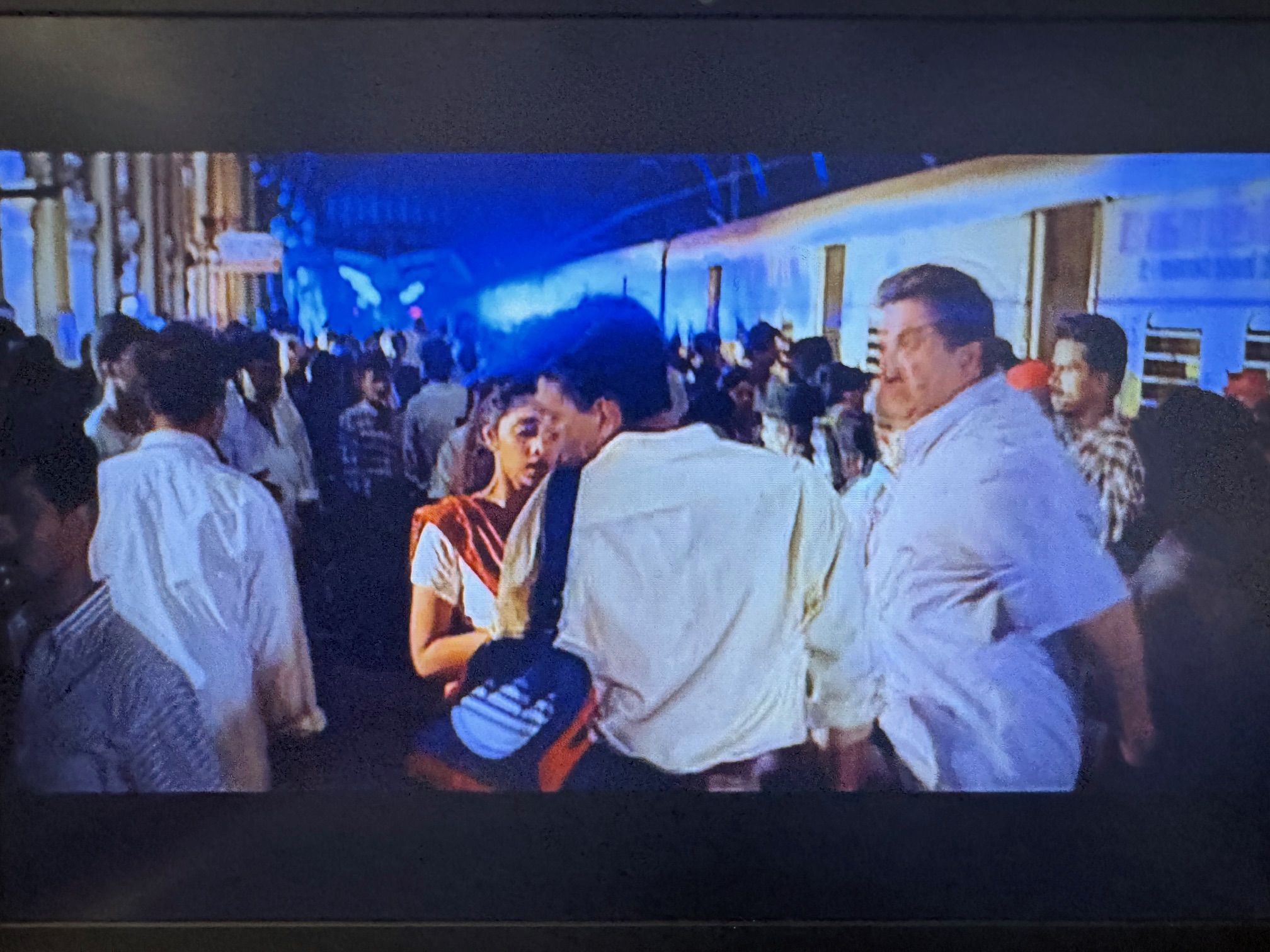
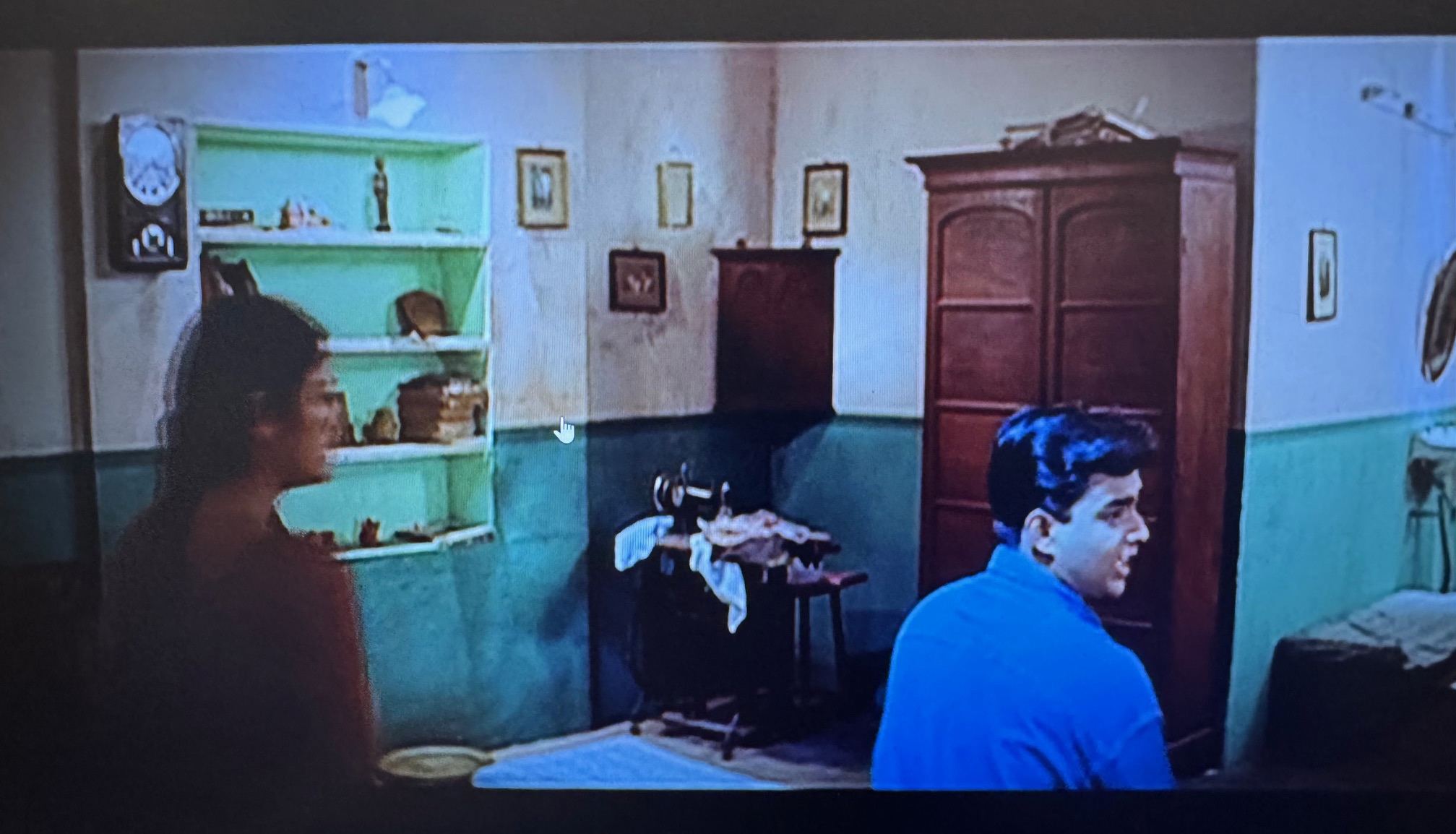
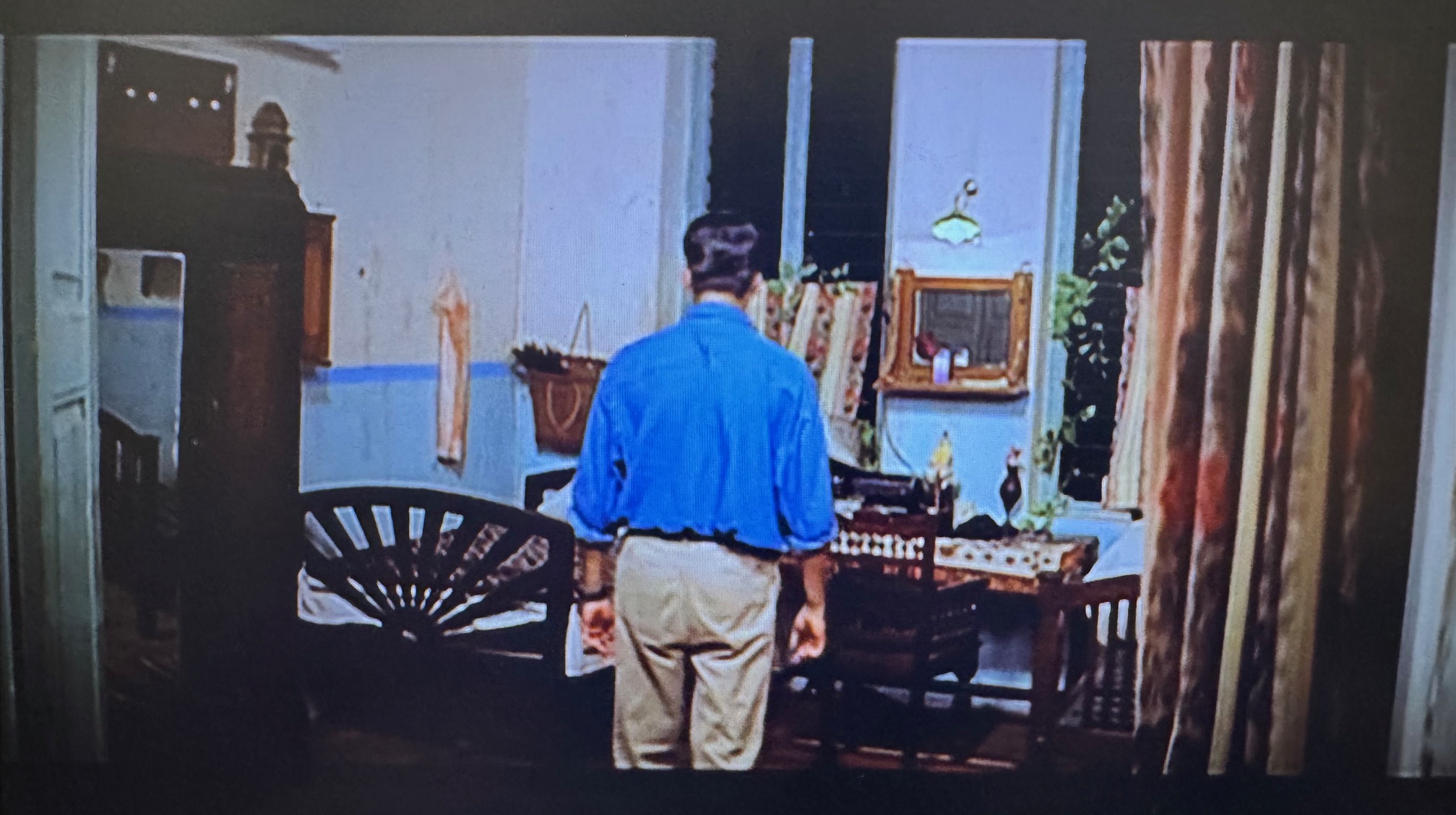
But finally, after 24 years of exploring this film again and again, I know now that Alaipayuthey is actually the journey of initiation of Karthik, of a flawed husband who finally understand his flaws. That’s why, maybe, the movie begins him and ends with those lyrics in his point of view. That’s why what appears to me now as the most beautiful sequences in the film is the succession of two successive scenes : Karthik searching for Shakthi in an empty train, and immediately after that, Karthik searching for Shakthi in her almost empty parents house (Shakthi’s mother), discovering what was Shakthi’s room. There is something at once tragic and magnificent, in these scenes where he wanders, desperate and haggard, in places which were before animated by the presence of his beloved, and which appear now empty and quite ghostly. As if he was finally understanding Shakthi by roaming in the places she lived. It’s quite a beautiful metaphor of what love and the loss of love feels like which reminded me of this verse of French poet Lamartine : “un seul être vous manque et tout est dépeuplé” / You miss one single being and the world seems empty.
FIN.


 1916 / about tamil cinema
Leave a comment